I’m always on the lookout for hackathons where I can build products that improve accessibility and healthcare. When I first came across the Logitech DevStudio Challenge on Devpost, I was immediately excited. The idea of building software for Logitech’s ecosystem of input devices opened up new possibilities for solving real-world accessibility challenges.
One of those challenges is precise mouse clicking. For many people living with disabilities, accurately targeting buttons, menus, and controls on a screen can be difficult or even impossible. I know this firsthand because my partner, Shilpi Bhattacharya, lives with a rare disease called GNE Myopathy, a progressive muscle-wasting disorder that eventually leads to severe loss of muscle function. Over the years, I have seen people with the same condition struggle with tasks that most of us take for granted, including precise mouse control. It is a problem that will likely affect Shilpi as her condition progresses.
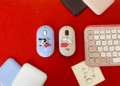
DevStudio 2026 was the perfect opportunity to build a solution. Logitech’s MX Creative Console, Creative Keypad, Dialpad, and MX Master mouse already help reduce unnecessary cursor movement. What was missing was a way to transform these powerful consumer devices into accessibility tools that make clicking easier rather than eliminating it altogether.
That is exactly what I built with “Access Ring”.
Access Ring allows users to discover and invoke interactive UI elements near their cursor without requiring precise mouse targeting. Instead of forcing users to accurately click a tiny button, Access Ring identifies nearby controls and presents them as hardware actions that can be triggered directly from Logitech devices.
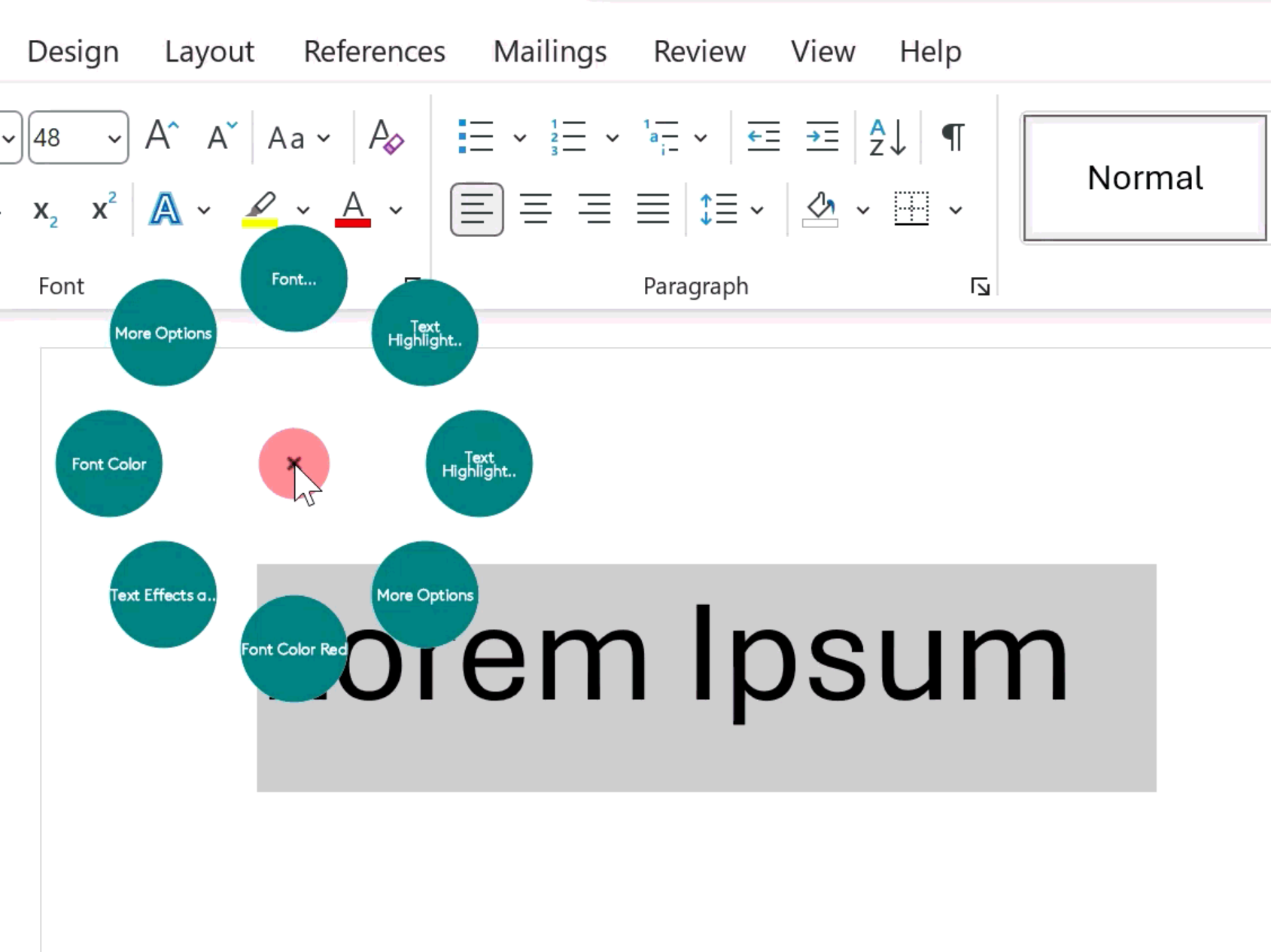
During Phase 1 of the competition, I researched existing academic work on improving pointing and clicking accessibility and used those insights to design and propose Access Ring.
For Phase 2, I implemented the solution for Windows. I focused heavily on performance, reliability, and seamless interoperability between the Dialpad, Creative Keypad, and MX Master mouse. My goal was to make the experience feel natural, responsive, and consistent regardless of which Logitech device the user was interacting with.
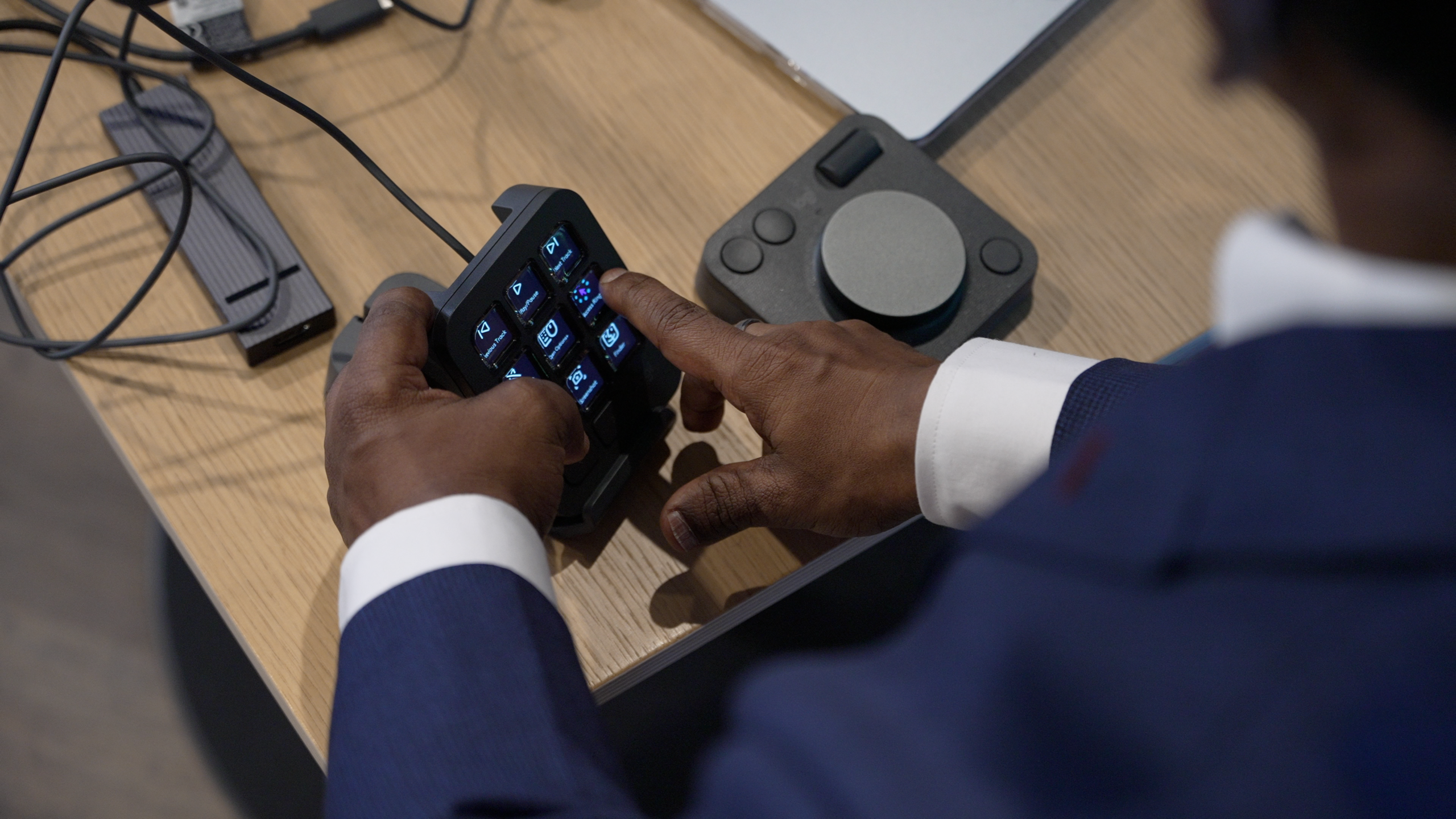
In the weeks leading up to the finals, I ported Access Ring to macOS and achieved feature parity with the Windows version, ensuring that the experience remained consistent across both platforms.
For the final pitch, Logitech flew Shilpi and me to Lausanne, Switzerland. The Logitech team went above and beyond to make our experience memorable. They made special accessibility arrangements for Shilpi, and throughout the event there was always someone from Logitech ensuring that we were comfortable and well taken care of.
When preparing our presentation, we focused on clearly communicating the problem, the accessibility gap that exists today, the solution that Access Ring provides, and the market opportunity for accessibility-first input technologies. That clarity ultimately helped us secure first place.
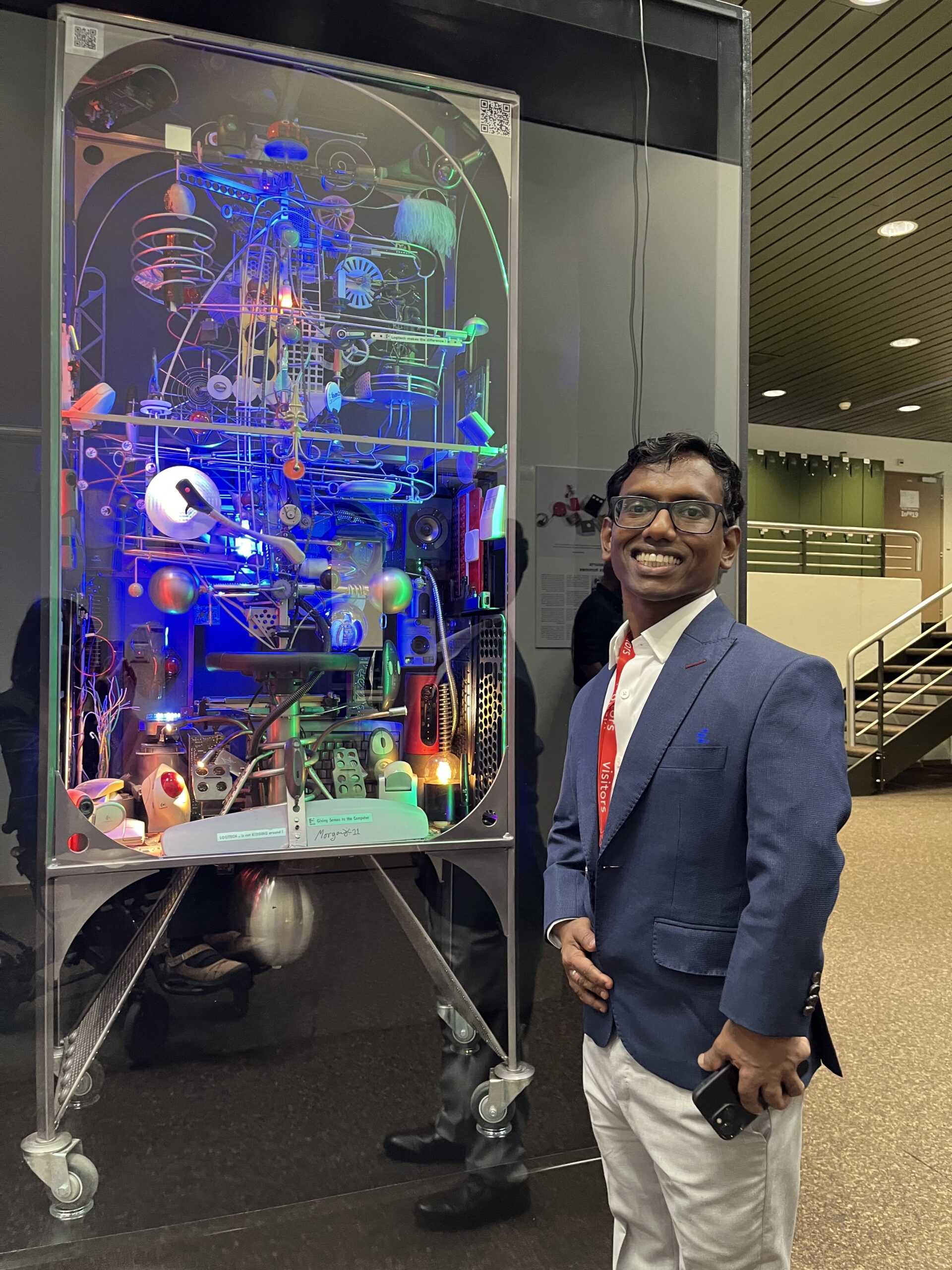
Beyond the competition itself, Logitech had planned an incredible experience for all the finalists. We visited their engineering labs and got a behind-the-scenes look at the innovation that powers their products. We toured a computer museum, enjoyed outstanding food, and even spent an evening cruising on the beautiful waters of Lake Geneva.
Beyond the competition itself, one of the most rewarding parts of the experience was getting to know the other finalists. Although we arrived as competitors, over the course of the event we became good friends.
The entire DevStudio 2026 journey was exceptional. From the moment I first saw the hackathon announcement to standing on stage as a winner in Lausanne, it was an experience that Shilpi and I will cherish forever.