For years, the stereotype of the enterprise IT leader was built around boardroom meetings, server rooms, and spreadsheets. But a landmark study of 600 IT decision-makers (ITDMs) across the US, UK, and Australia reveals a clear, modern reality: Today’s IT buyers are gamers—and they play a lot more than you think.
Far from being just a casual weekend distraction, video games have become a powerful force shaping how tech leaders evaluate enterprise software, build strategic workplace skills, and recruit top technical talent.
Here is a recap of the major findings driving this shift in enterprise tech.
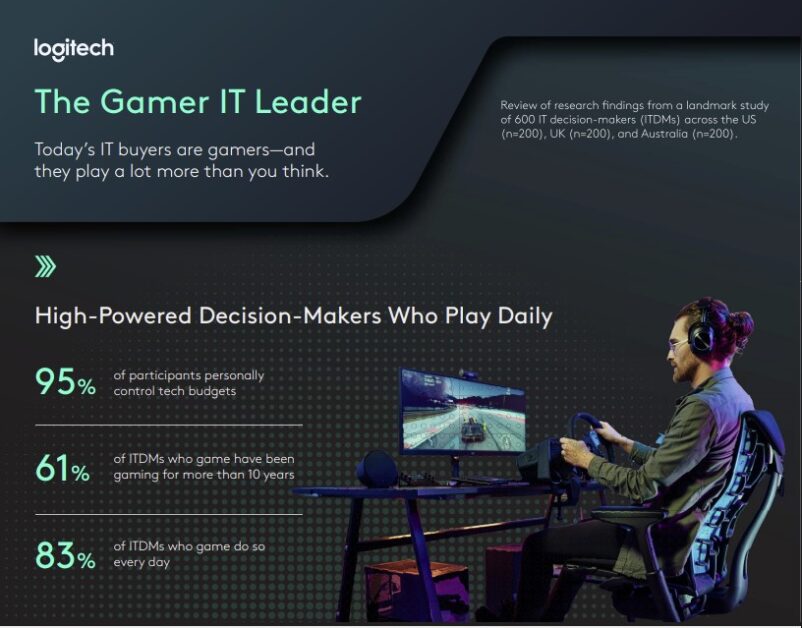
High-Powered Decision-Makers Who Play Daily
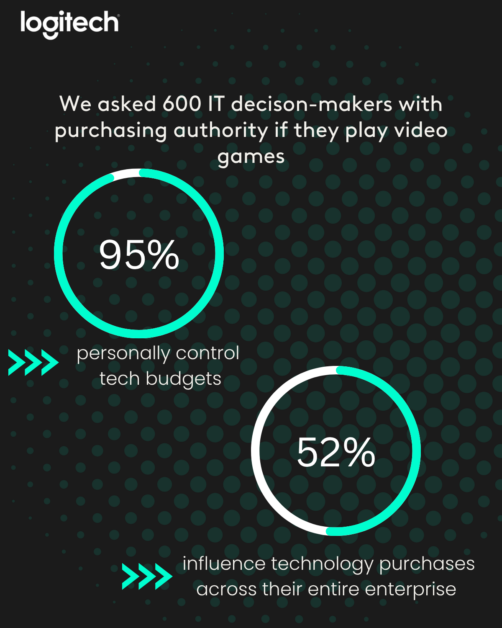
The study surveyed active IT decision-makers with serious purchasing authority—90.3% are primary decision-makers, 95% personally control tech budgets, and 52.3% influence technology purchases across their entire enterprise.
Across this high-powered group, gaming is a universal habit:
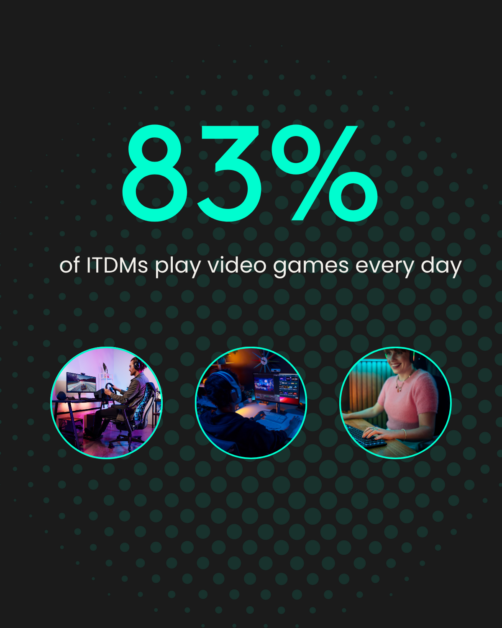
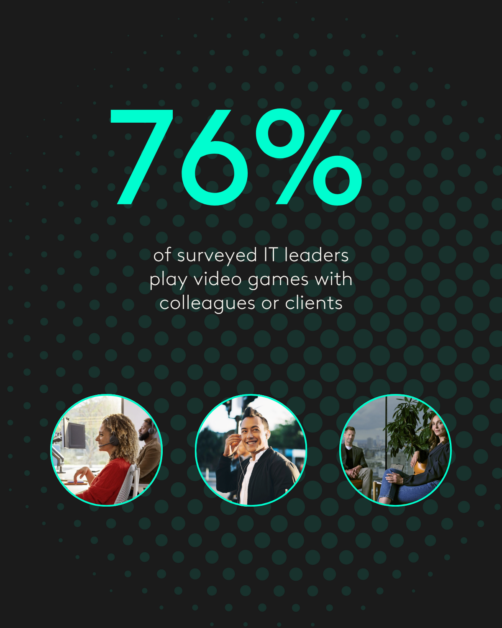
- Daily Gaming Rituals: 82.7% of IT decision-makers play video games every single day (with 28.2% playing multiple times per day).
- Significant Hours Logged: Every respondent surveyed games at least 5 hours a week, with 59.2% spending 10 or more hours per week on PC, consoles, or handhelds.
- Long Sessions: 95.3% typically play in sessions lasting an hour or longer per sitting.
- Decades of Experience: 95.5% have been gaming for 6 or more years, and over 23% have been playing for more than two decades.
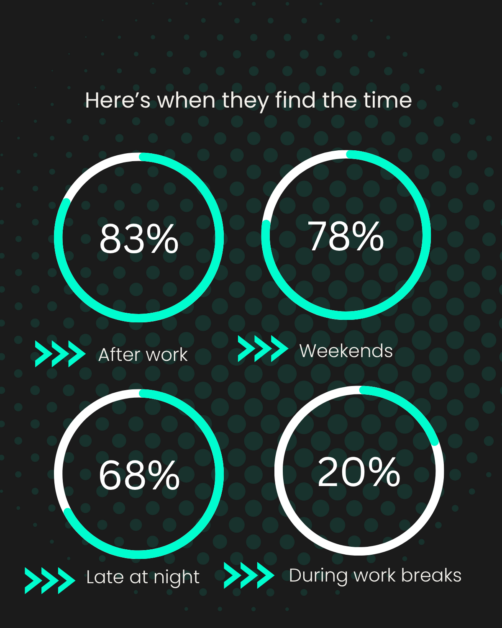
When do they find the time? 83.3% play after work,78.3% play on weekends, 68% play late at night, and 20.2% even squeeze in sessions during work breaks to recharge.
Virtually no respondents in any region reported playing fewer than 5 hours per week.
Gaming as a Proving Ground for Job Skills
Far from being a passive hobby, IT leaders view gaming as a mental gym that sharpens the exact competencies needed to navigate complex technology environments.
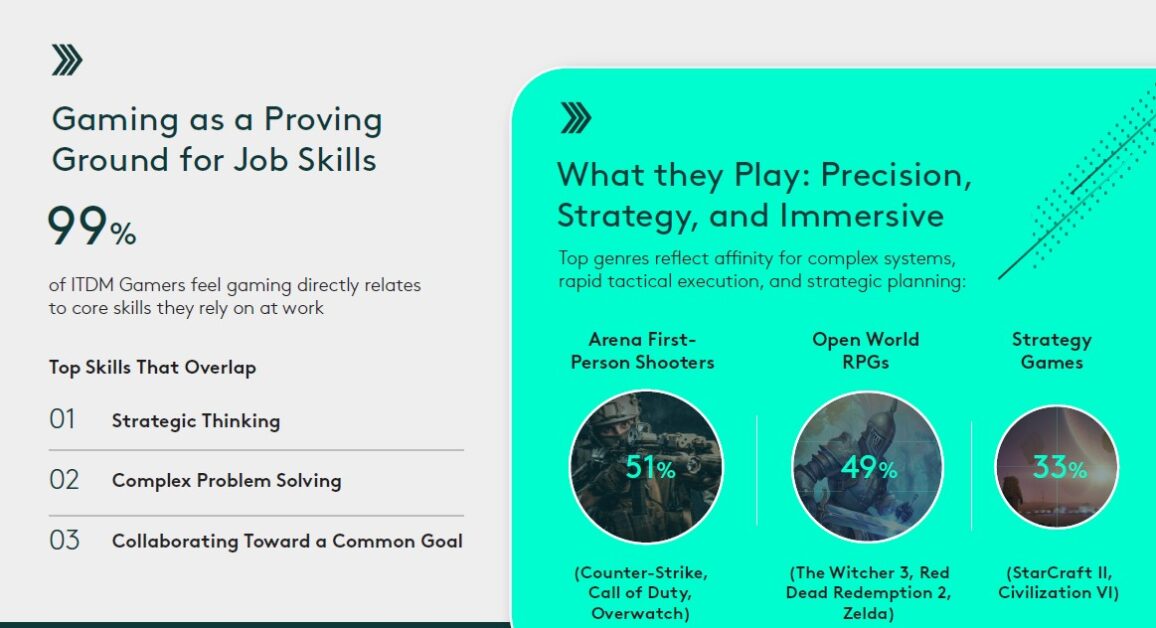
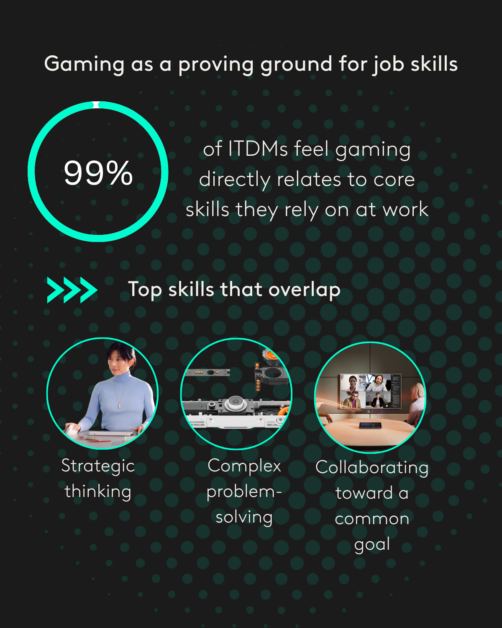
In fact, 98.8% of IT decision-makers feel video gaming directly relates to the core skills they rely on at work. When asked which professional skills overlap most with gaming, leaders pointed to:
- Strategic Thinking: 65.7%
- Complex Problem-Solving: 65.5%
- Collaborating Toward a Common Goal: 64.3%
- Collaboration & Teamwork: 64.2%
- Performing Under Pressure: 63.5%
- Multi-tasking & Prioritization: 61.5%
When asked how gaming has specifically helped them improve as leaders, respondents highlighted learning new systems quickly (38%), making decisions with incomplete information (37.3%), and evaluating technical specifications (35.5%).
What They Play: Precision, Strategy, and Immersive Worlds
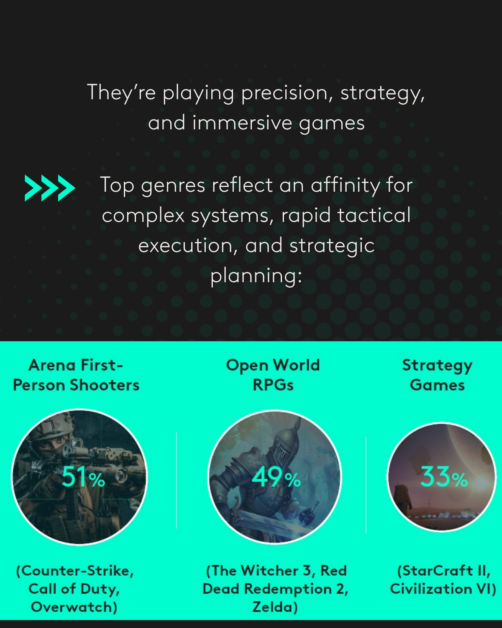
The types of games IT leaders play reflect their affinity for complex systems, rapid tactical execution, and strategic planning:
- Arena FPS (First-Person Shooters): 50.7% (Counter-Strike, Call of Duty, Overwatch)
- Open World RPGs: 49.0% (The Witcher 3, Red Dead Redemption 2, Zelda)
- Strategy Games: 32.5% (StarCraft II, Civilization VI)
- Battle Royale: 28.2% (PUBG, Apex Legends, Fortnite)
- Sports & Racing Simulators: 20.5% and 18.5% (EA Sports FC/FIFA, Forza)
Whether managing resource trade-offs in strategy games or executing high-speed precision in shooters, these preference trends align closely with how IT leaders approach problem-solving in their day jobs.
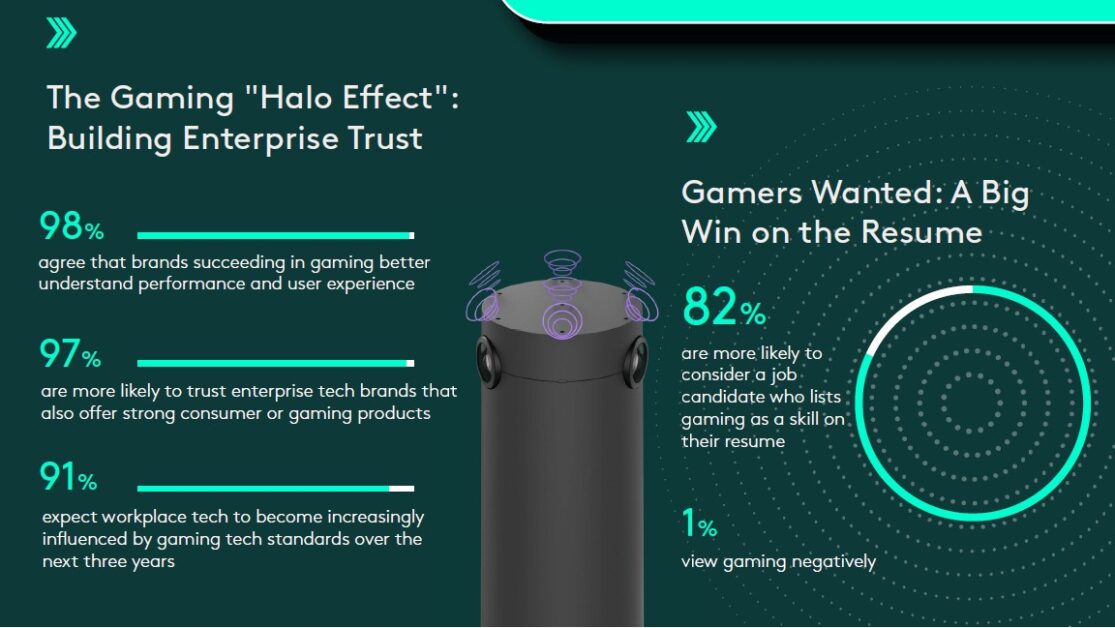
The Gaming “Halo Effect”: Building Enterprise Trust
One of the study’s most striking findings is how consumer and gaming credibility boosts trust in enterprise tech providers.
- 98.2% of IT decision-makers agree that brands succeeding in gaming better understand performance and user experience.
- 97% say they are more likely to trust enterprise technology brands that also offer strong consumer or gaming products.
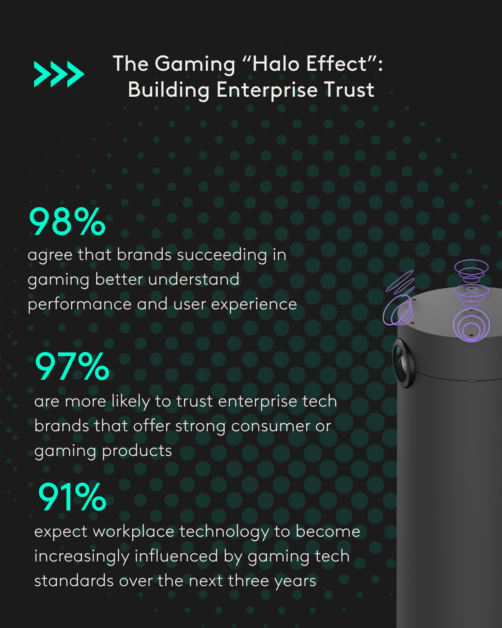
Looking ahead, 90.8% expect workplace technology to become increasingly influenced by gaming tech standards over the next three years—specifically demanding faster performance (51.7%), seamless multi-device integration (45.9%), and uncompromised wireless reliability (39.1%).
Gamers Wanted: A Big Win on the Resume
If you are applying for a role on an IT team, listing your gaming experience might just land you the job.
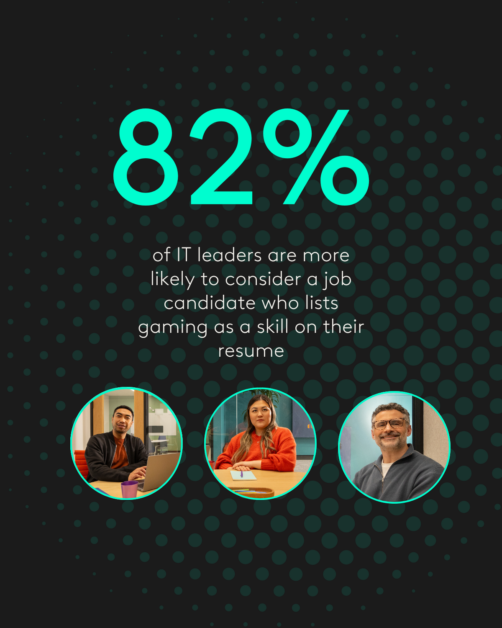
- 82% of IT hiring leaders say they are more likely to consider a job candidate who lists gaming as a skill on their resume (23.3% say much more likely).
- Less than 1% (0.8%) view gaming on a resume negatively.
Hiring managers increasingly recognize that multiplayer coordination, raid leadership, and strategic gaming translate into real-world agility, teamwork, and technical adaptability.
Key Takeaway for Tech Brands and Employers
The modern IT buyer is no longer evaluating enterprise technology in a vacuum. Years of immersive, high-performance gaming have set a remarkably high bar for speed, reliability, and user experience.
For enterprise brands, proving performance in consumer and gaming arenas is now a powerful shortcut to building B2B trust. And for organizations looking to build resilient, agile IT teams, embracing gamer culture isn’t just a culture play—it’s a competitive talent advantage.
About the Research
The study was conducted in June 2026 by The Harris Poll among 600 active IT decision-makers across the US, UK, and Australia. The respondent pool represents high-powered purchasing authority: 90.3% act as primary decision-makers, 95% personally control tech budgets, and 52.3% influence purchases across their entire enterprise.